How Hurricanes Impact Food Access and Security in Florida
Exploring the Critical Role of Food Pantries and Community Partners in Disaster Response
Hurricanes in Florida disrupt daily life, creating sudden food access challenges for vulnerable families. At Good Samaritan Outreach Inc, we have witnessed firsthand how food insecurity escalates after storms. Serving Orlando and Central Florida since 1998, our mission is to ensure neighbors receive the nourishment and care needed, even in the most difficult times.
A County-Designated Emergency Food Distribution Site
Good Samaritan Outreach Inc is a County designated emergency food distribution site. After a natural disaster, the County sends trucks loaded with ready-to-eat meals and other essentials such as water and snacks. Because our operation is already set up to move large quantities of food quickly, we are ready to receive and redistribute those supplies to neighbors when they need them most.
The Widespread Effects of Hurricanes on Food Supply Chains
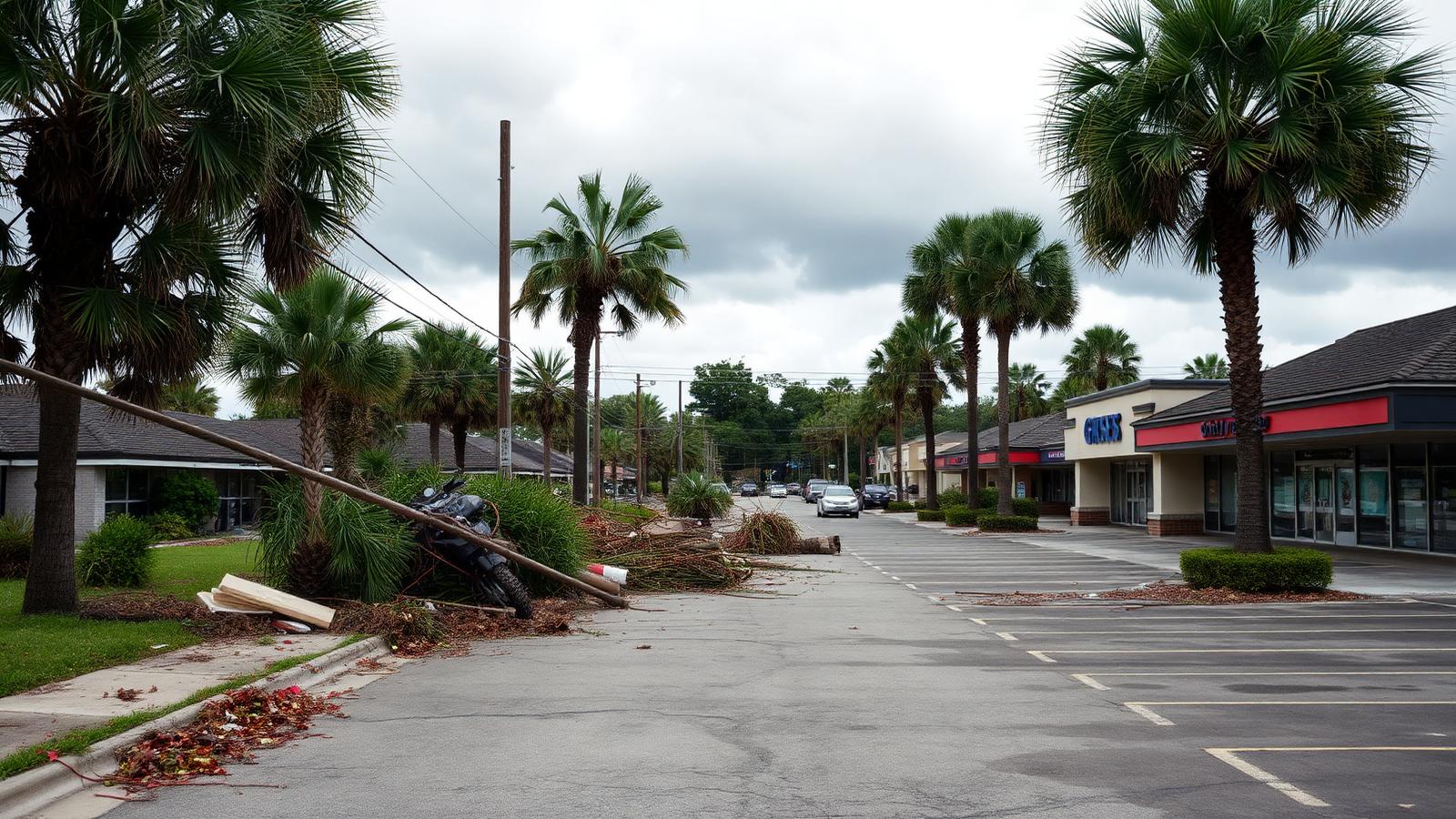
When a hurricane makes landfall in Florida, the impacts on food access sweep far beyond the storm's initial path. Communities across Central Florida, from Orlando to outlying rural towns, experience widespread and persistent disruptions to the food supply chain. Hurricanes often damage key infrastructure such as roads, bridges, and power lines, leaving grocery stores cut off from deliveries and distribution centers struggling to operate. As floodwaters rise and debris blocks highways, deliveries of fresh food, canned goods, and bottled water grind to a halt.
Physical damages are only part of the problem. Power outages can persist for days or weeks, forcing grocery stores and food pantries to discard perishable items. Picture all the meat going rotten and workers in HazMat suits having to go in and clean it out. Families lose the contents of their refrigerators just when replacement food becomes more difficult to find and afford. Many smaller stores are unable to reopen quickly, and even larger supermarkets may face empty shelves due to persistent supply interruptions and power outages. At the same time, fuel shortages complicate transportation at every stage.
In rural communities, the effects are even more profound. Fewer stores serve greater distances, and limited public transportation options mean residents may not be able to reach open stores or food pantries. Flooded or washed-out roads isolate farmworkers and families for days, making it nearly impossible to access food or supplies.
These disruptions often linger well after the winds have died down. Processing plants, distribution hubs, and shipping companies can struggle with their own storm damages, leading to continued scarcity at local stores. For many Floridians, especially in Orlando and Central Florida, the long tail of a hurricane means ongoing uncertainty about where the next meal will come from, underscoring the vital importance of a responsive and resilient food support network.
Rising Food Insecurity After Natural Disasters
After a hurricane sweeps through a Florida community, the struggle for daily meals intensifies for thousands. For many families who were already making tough choices between paying bills and buying groceries, the aftermath of a natural disaster pushes food insecurity to new heights. Seniors on fixed incomes, families with young children, and individuals experiencing homelessness are among the hardest hit, suddenly facing even greater obstacles to accessing food.
In the days and weeks following a storm, Good Samaritan Outreach Inc. and its partners consistently observe significant spikes in requests for food assistance. Staff and volunteers report that food pantry lines grow longer, with many faces new to charitable support. According to recent data shared by Good Samaritan Outreach Inc., community food pantries across Central Florida often see increases of thirty percent or more in the number of households served after major hurricanes such as Irma or Ian.
Families grappling with storm damage may see their food supplies ruined by persistent supply interruptions and power outages, but the challenges multiply for vulnerable groups. Seniors who previously relied on home-delivered meals can become isolated when roads are blocked or caregivers cannot reach them. Parents facing job disruptions in service or tourism sectors may struggle to provide regular meals, while children miss out on free or reduced-cost breakfasts and lunches when schools close for extended periods.
The impact is even more acute for people without stable housing. With shelters overcrowded or unreachable, many must rely entirely on emergency food distributions. Good Samaritan Outreach Inc. documented a surge in requests for nutritious, easy-to-carry foods suitable for those living in temporary conditions or outdoors.
The Essential Work of Food Pantries and Outreach in Emergencies
It helps to clarify how disaster response actually works. During and after a disaster, the Red Cross sets up emergency shelters, and people experiencing homelessness naturally gravitate toward them. The Red Cross takes care of feeding those shelter clients directly, so food pantries are not directly involved in shelter feeding.
When hurricanes strike Florida, community organizations step up in extraordinary ways to bridge the immediate gaps in food access and basic necessities. Food pantries like Good Samaritan Outreach Inc are often at the heart of this critical response, quickly expanding their meal distributions to meet surging needs. As storm winds quiet and power remains out, volunteers work tirelessly to distribute thousands of ready-to-eat meals to individuals and families who have lost electricity, refrigeration, and sometimes their homes. This rapid expansion of services ensures that those in hardest-hit neighborhoods receive vital nutrition while they begin the difficult process of recovery.
Beyond meals, food pantries provide essential outreach by supporting local soup kitchens, ensuring they have enough staples to serve increased numbers of guests. Partnerships with agencies such as the Coalition for the Homeless allow organizations to identify those most at risk—especially people living outdoors or in temporary shelters. In the aftermath of hurricanes, many residents face displacement, either because of damaged homes or mandatory evacuations. Recognizing this, outreach teams prepare and distribute bags filled with food, water, toiletries, and other essentials. These bags serve as an immediate lifeline for families in transition, providing stability and comfort when everyday routines have been upended.
Faith-based groups play a pivotal role in extending these efforts. Churches and their congregations often become gathering points for both volunteers and recipients, amplifying the reach of food distributions through collective action. Collaboration among local nonprofits, faith leaders, and grassroots groups ensures that resources are mapped and shared, maximizing impact and minimizing duplication.
In these challenging times, the work of food pantries and their community partners is not just about distributing supplies—it is about restoring dignity, hope, and security.
Mobilizing Communities to Overcome Disaster-Driven Food Challenges
When hurricanes strike Florida, the collective strength and compassion of a community make all the difference. Mobilizing together, individuals and groups across the state have the power to meet the urgent challenge of hunger that disasters bring, turning empathy into action for neighbors in need.
Community food drives are one of the most visible ways people step up, gathering shelf-stable meals, bottled water, and hygiene supplies to restock pantry shelves depleted by a surge in need. Local businesses often lend support by organizing workplace drives, matching employee donations, or providing critical storage and transportation. Civic groups, schools, and houses of worship rally people to participate, turning ordinary spaces into collection points where generosity flourishes.
But responding to disaster-driven food insecurity is not just about short-term aid. Proactive planning and ongoing support are equally important. Skilled volunteers, from logistics coordinators to nutritionists, lend their expertise to streamline operations, improve food distribution, and guide vulnerable families toward lasting stability. Financial contributions also have far-reaching effects, empowering pantries and partners to purchase fresh produce, maintain refrigerated storage, and invest in transportation even after storm headlines fade.
True disaster resilience is born from consistent, year-round engagement. When neighbors commit to ongoing involvement—whether through volunteering, advocacy, or regular donations—they help food relief organizations prepare for hurricane season and strengthen recovery long after. Together, every act of caring builds hope and restores dignity.
In closing
Hurricane season magnifies the realities of hunger and hardship in Central Florida. With the compassionate support of donors, volunteers, and community partners, Good Samaritan Outreach Inc continues to provide meals and hope to thousands in need. Together, we can ensure that even when storms strike, nobody in our neighborhoods goes hungry.